Signs It’s Time For a New Roof

The Ultimate Roof Replacement Checklist for Georgia’s Storms

A checklist to see if your roof is storm ready, by Georgia’s best roofers.

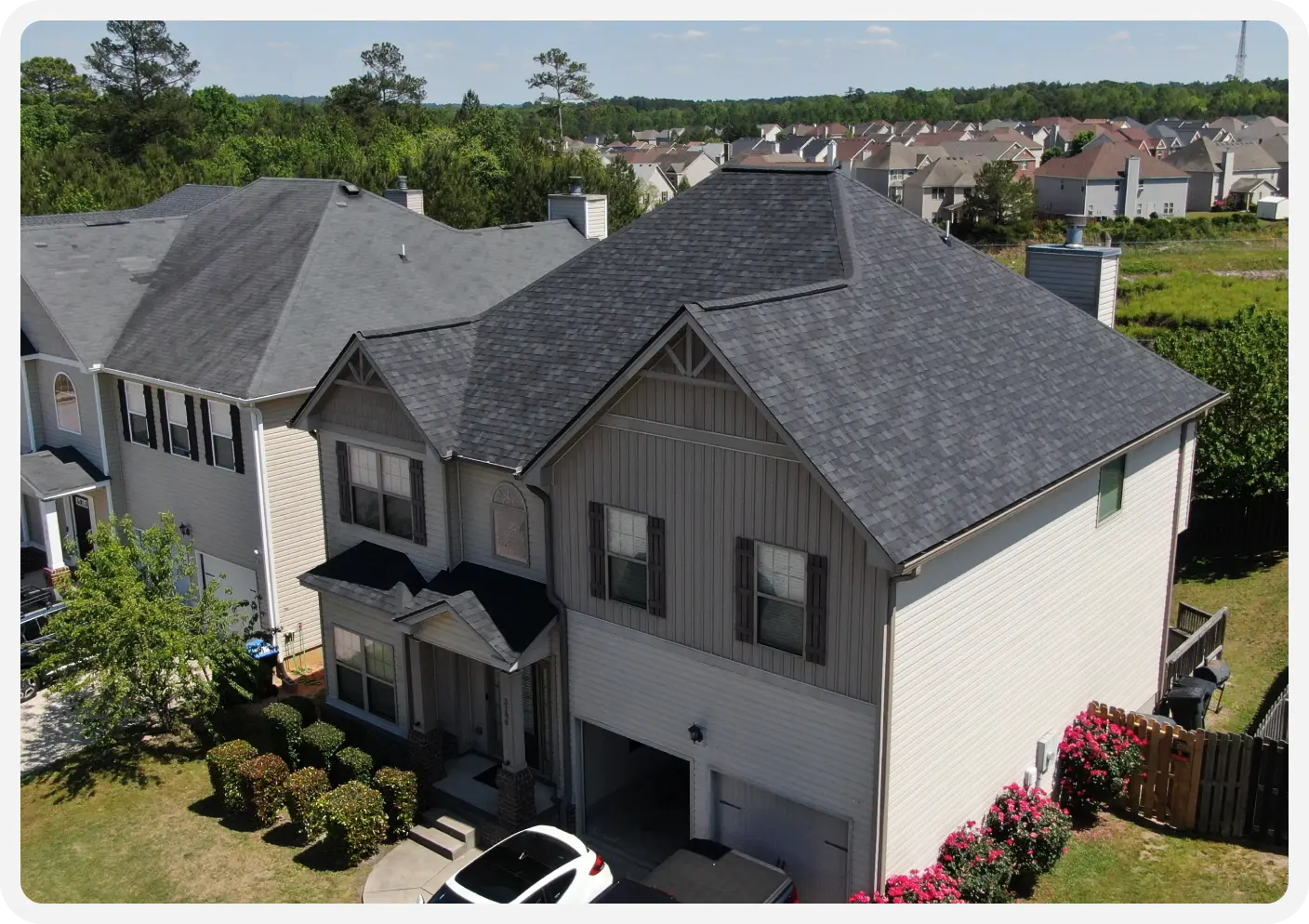
an image of a house that needs a new roof

Visual Checklist

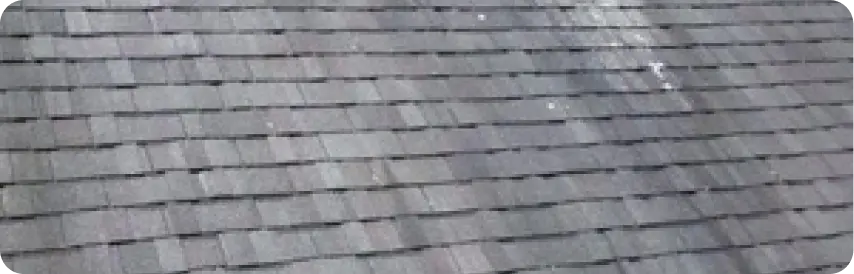
an image of a stained roof

Roof Stains

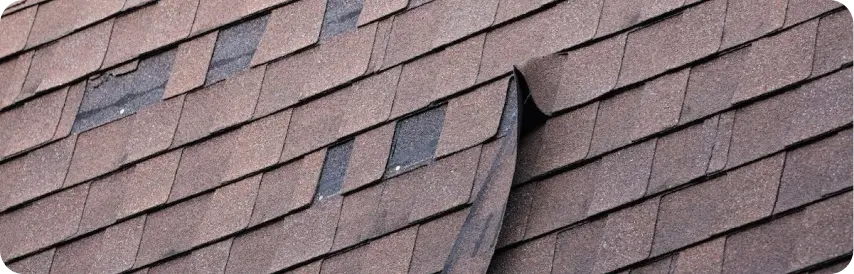
an image of a roof with missing shingles

Missing Shingles

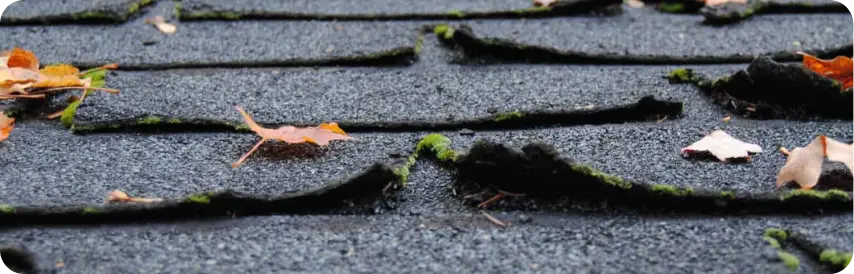
an image of a roof with curling shingles

Curling Shingles

Introduction

Georgia’s storm season doesn’t pull its punches. From spring hail to late‑summer hurricanes, our roofs absorb a year’s worth of punishment in just a few intense months. 


If you’re unsure whether your current roof can take another beating, don’t worry, Georgia’s best roofers made a guide for you! This checklist distills decades of on‑the‑ladder experience from the most trusted veteran-led roofers into four tell‑tale categories. 


Spot more than one red flag? You’ll save money—and stress—by planning a replacement before the next big storm rolls in.
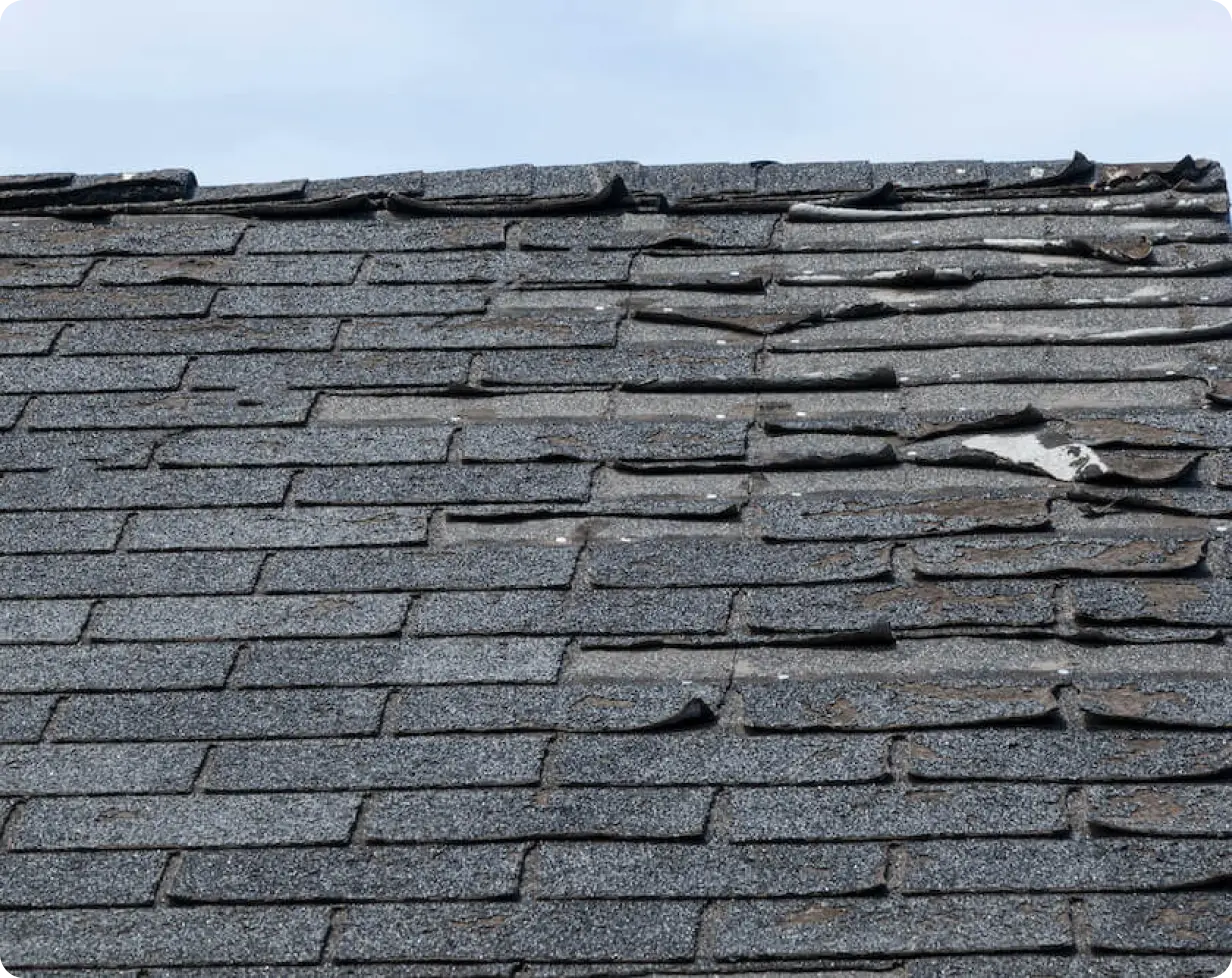
an image of an old roof with missing and curling shingles

1. Age

Why it matters:

  • Life‑span limits. Asphalt shingles average 15–20  years, while metal and high‑end composites stretch to 40+. Once a roof nears its rated age, the protective oils dry out and materials turn brittle, making them far more likely to crack or blow off in high winds.
  • Insurance hurdles. Many carriers reduce coverage—or hike premiums—once a roof passes the 20‑year mark. Replacing proactively can keep your policy (and your peace of mind) intact. Not to mention having a new roof with manufacturers like GAF will give you a new coverage of 15 years in Wind Warranty and 25 years in Algae Protection warranty.
  • Building‑code shifts. Georgia’s storm‑resistance codes have tightened in recent years. A new roof lets you upgrade underlayment, flashing, and fasteners to meet today’s standards.

Storm‑readiness verdict: If your roof is within five years of its expected lifespan—or you can’t remember when it was installed—schedule a professional inspection and start budgeting for replacement.

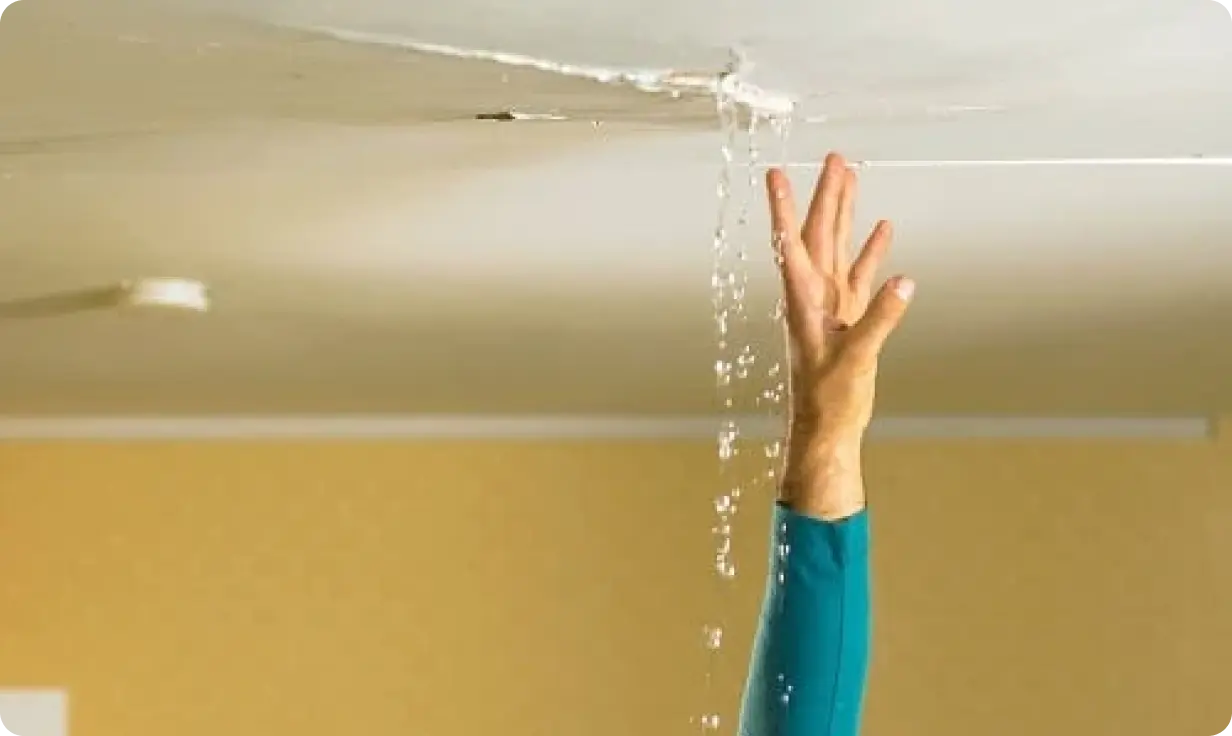
an image of a hand reaching the ceiling because of water dripping

2. Performance Issues

Why it matters:

  • Recurring leaks. Water stains on ceilings or in the attic mean the weather barrier has been breached. Temporary patches won’t survive repeated wind‑driven rain.
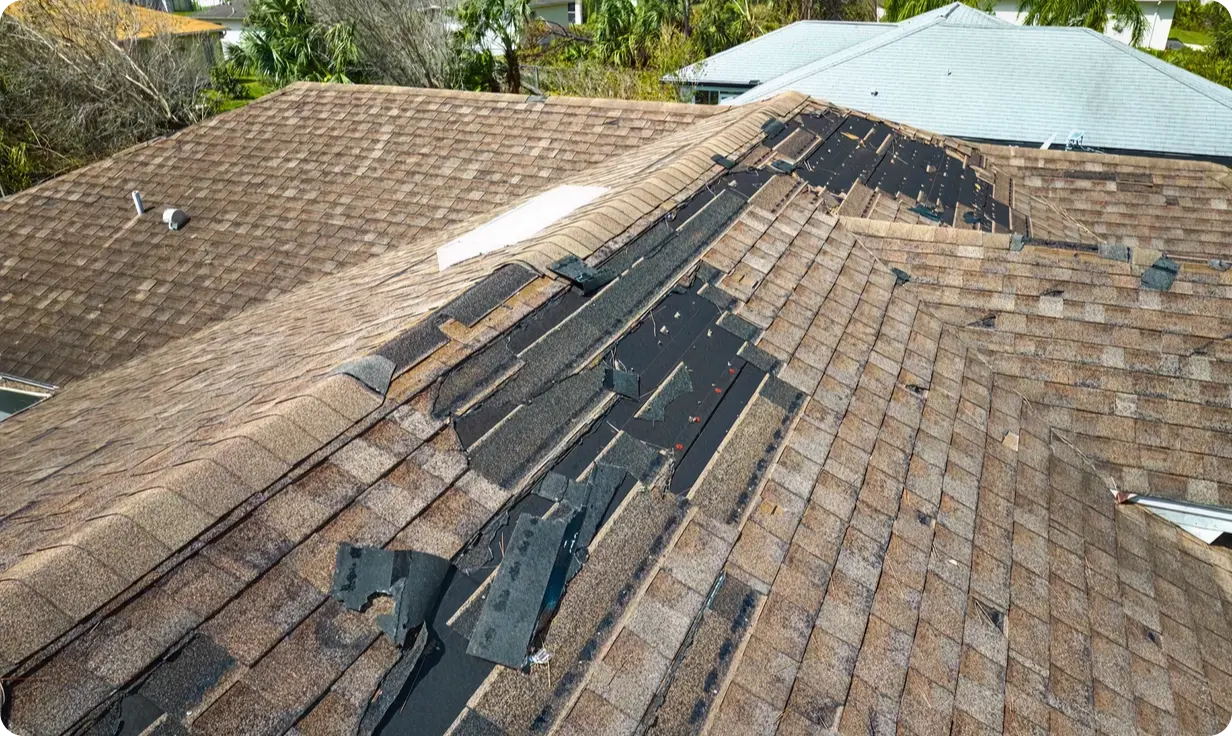
  • Missing or loose shingles. Once wind lifts a shingle, the sealant bond is gone for good, creating entry points for future storms.
  • Soft spots or sagging decking. Structural moisture damage compromises the entire roof system, not just the surface layer.

Storm‑readiness verdict: If repairs are becoming routine—or more than 25 percent of the roof shows damage—it’s often cheaper in the long run to replace the whole system than to keep chasing leaks.

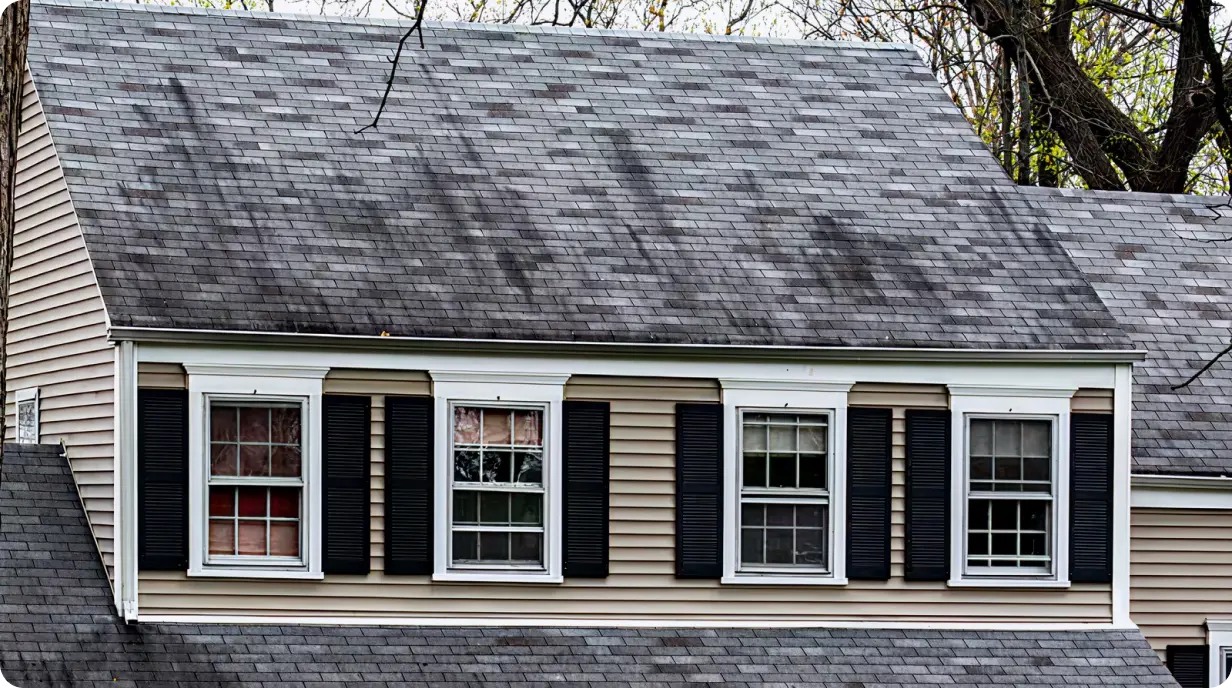
an image of a house with a roof having algae and dark streaks

3. Algae Growth & Dark Streaks

Why it matters:

  • Moisture retention. Blue‑green algae holds water against the shingle surface, accelerating granule loss and shortening lifespan.
  • Hidden ventilation problems. Persistent algae can signal poor attic airflow, which traps heat and moisture—prime conditions for rot and mold.
  • Curb‑appeal hit. Beyond aesthetics, extensive staining may hurt resale value and flag inspectors to look for deeper issues.

Storm‑readiness verdict: Light staining can be cleaned, but widespread algae paired with granule loss or soft decking is a strong indicator that a full replacement—and ventilation upgrade—is due.

an image of a house with a damage roof

4. Aesthetic & Structural Red Flags

Why it matters:

  • Curling, cracking, or cupping shingles. These distortions reduce wind uplift resistance, making shingles the first casualties in a storm.
  • Granules in gutters. Heavy granule loss exposes the asphalt layer, accelerating UV damage and weakening the shingle’s core.
  • Patchwork appearance. Multiple repair colors or mismatched sections often mean the roof has endured repeated damage cycles and may fail uniformly in the next storm.

Storm‑readiness verdict: When cosmetic flaws overlap with structural wear, investing in a new, code‑compliant roof restores both protection and property value—before Georgia’s next storm has a chance to test it.

Ready for a Pro Opinion?